
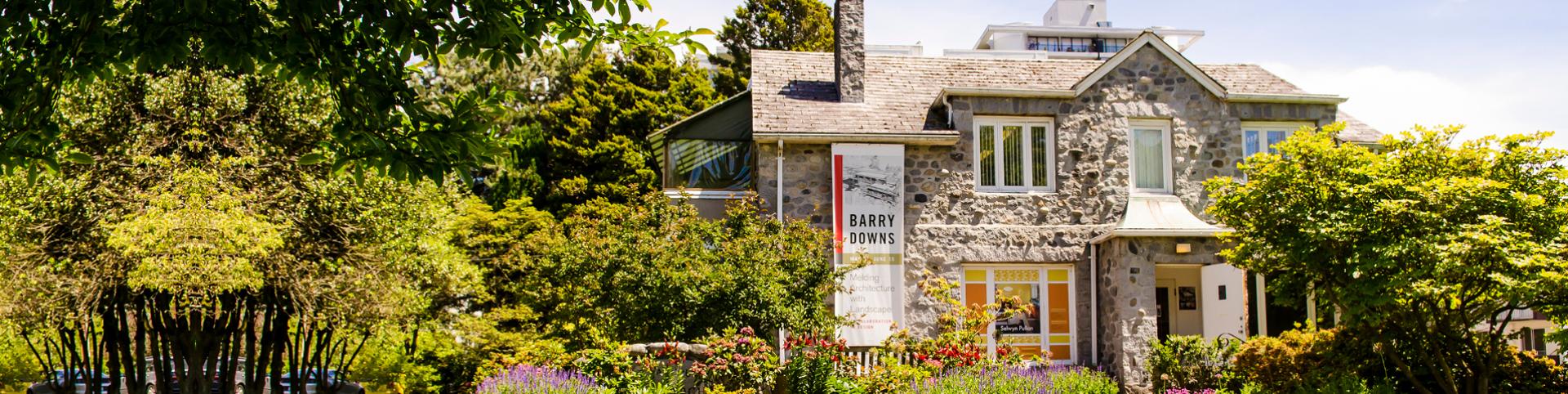
A municipally designated heritage property is protected by a bylaw so that it cannot be altered or destroyed.
Under the Local Government Act, a local government, by bylaw, may designate properties as protected if the local government considers that the property has heritage value or heritage character, or that designation of the property is necessary or desirable for the conservation of a protected heritage property.
This designation differs from properties that are on the Community Heritage Register, as those properties, although are formally recognized as having heritage value, are not legally protected.
West Vancouver has 13 municipally designated heritage properties.
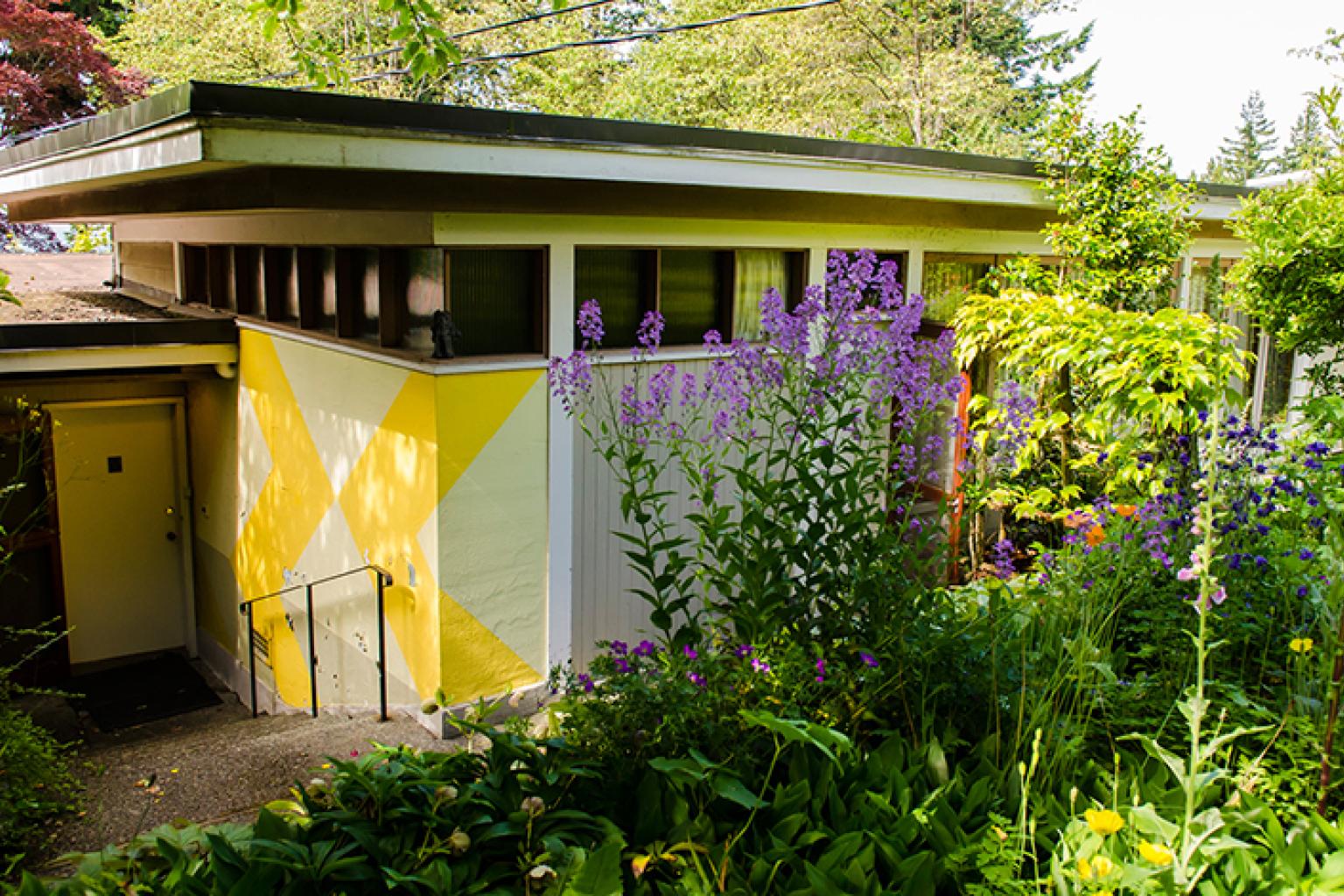
This exceptional modern home is an early example of the International Style in West Vancouver. Designed by Canadian artist B.C. Binning in 1941, it marked a radical departure from traditional house design. Binning was a pioneer of the modern movement on the West Coast.
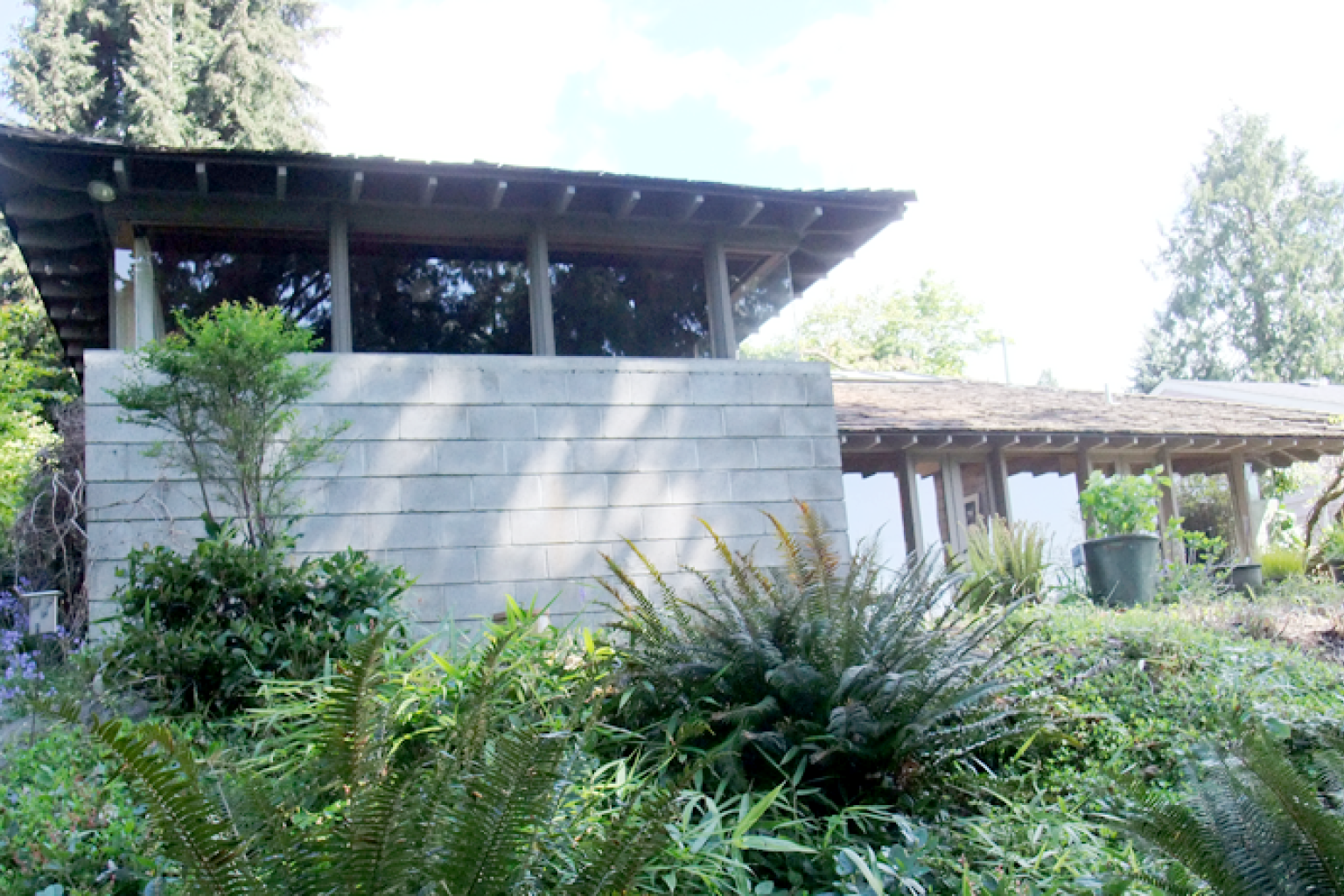
The Boyd House, originally designed by recognized architect Ron Thom in 1956, is valued as an excellent example of the West Coast Style of modern residential architecture.
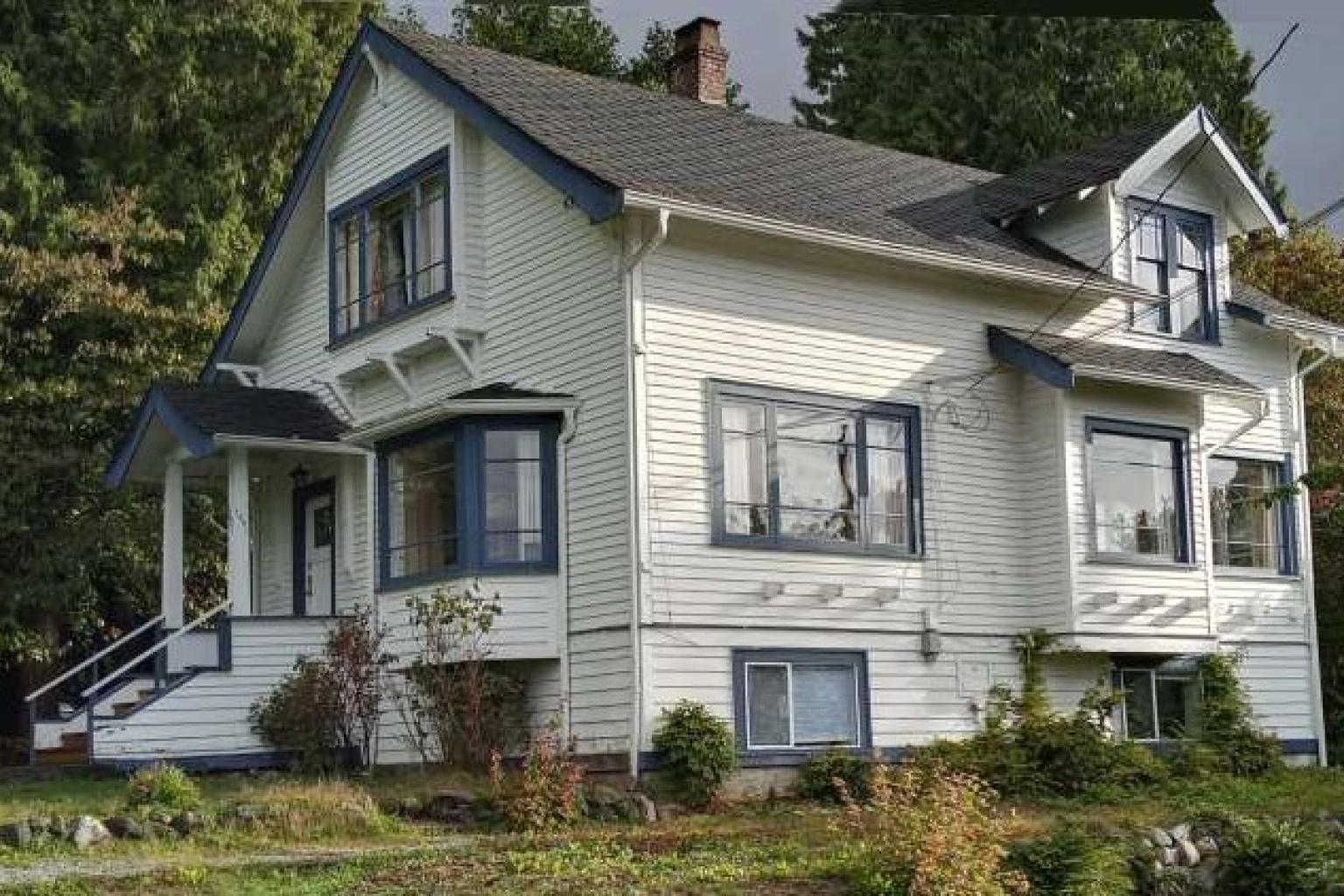
The Clegg House was built in 1929 and was one of the first residences built in the neighbourhood.
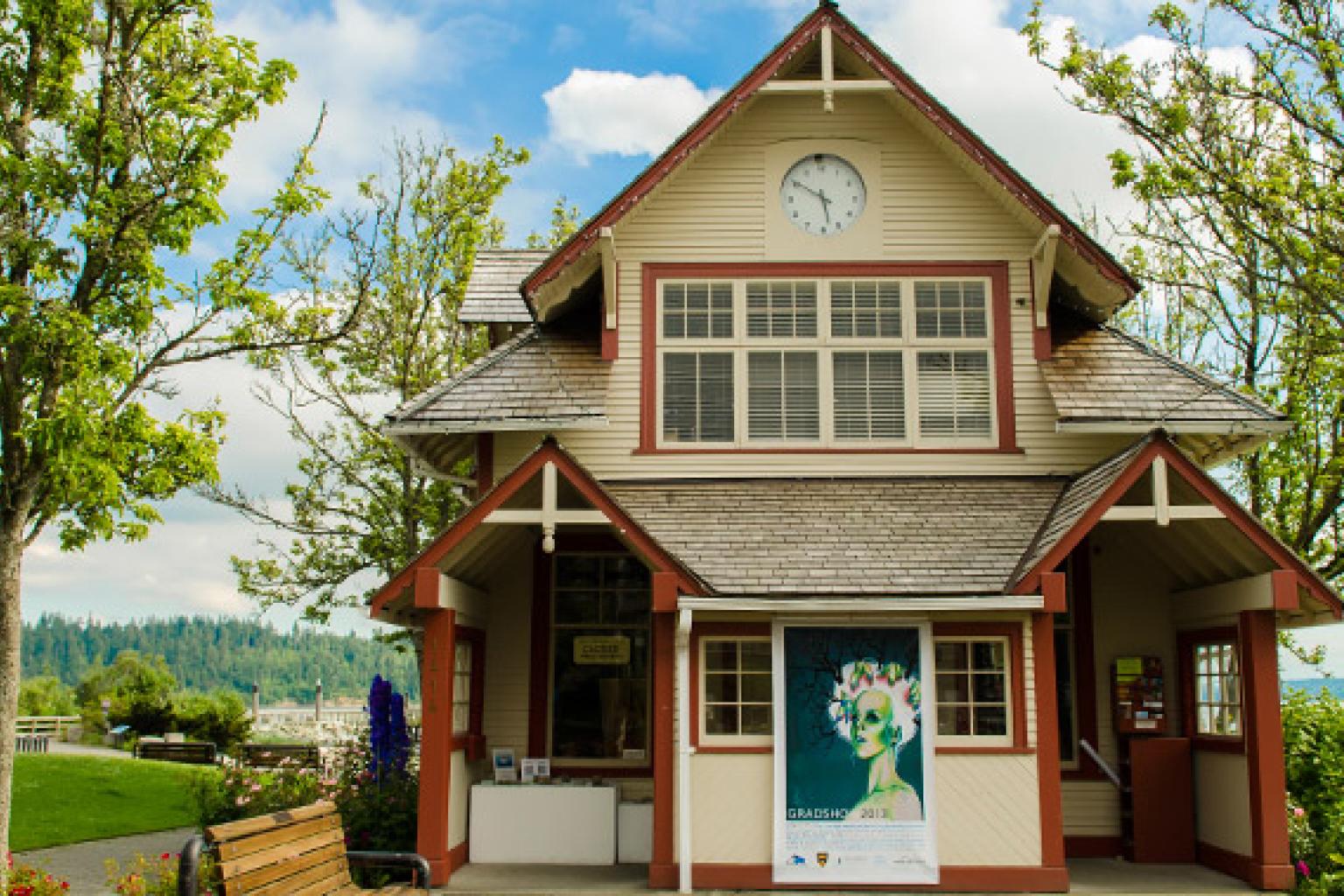
The Ferry Building is a rare surviving structure from the municipality’s early history. Designated in 1987, the building received a Heritage Achievement Award in 1995 for its extensive rehabilitation. The Ferry Building now houses a municipal art gallery.
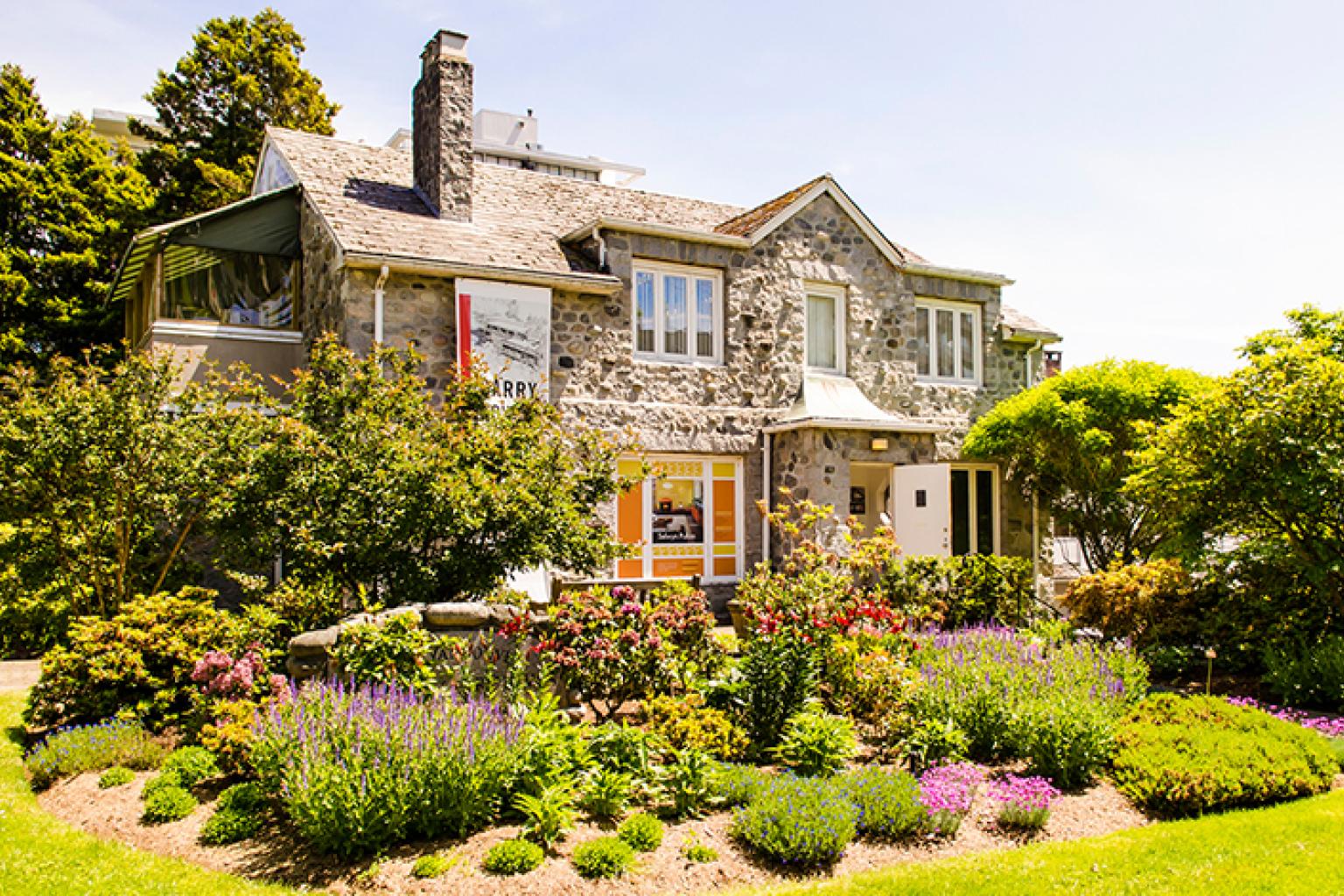
Gertrude Lawson, the daughter of John Lawson, built this imposing house in 1940 with what is believed to be one of the first mortgages granted to a female in British Columbia. The building is now home to the West Vancouver Art Museum.
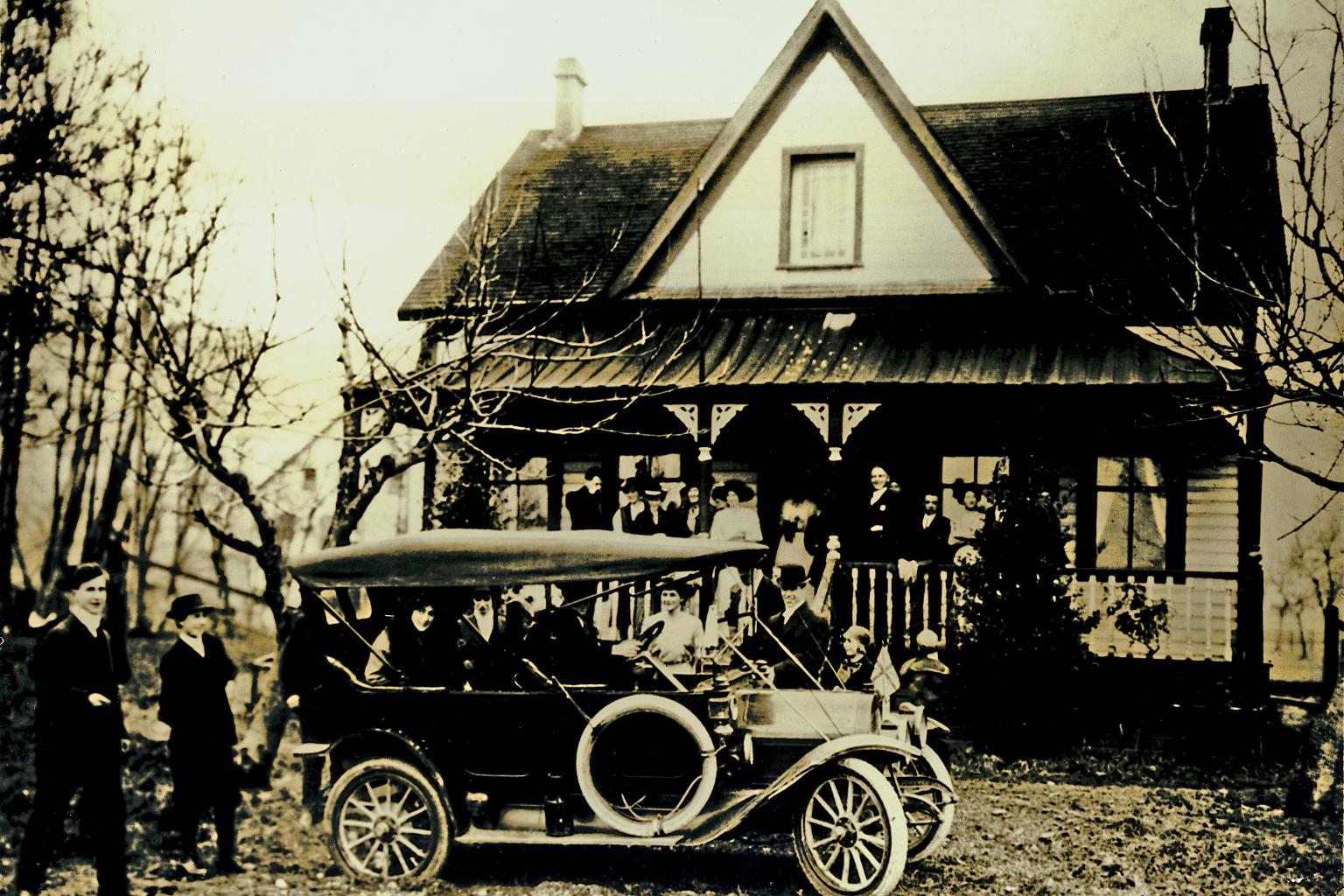
The Navvy Jack House was built as early as 1872 and remains the oldest surviving known building on the North Shore of Burrard Inlet, and one of the oldest in the Province.
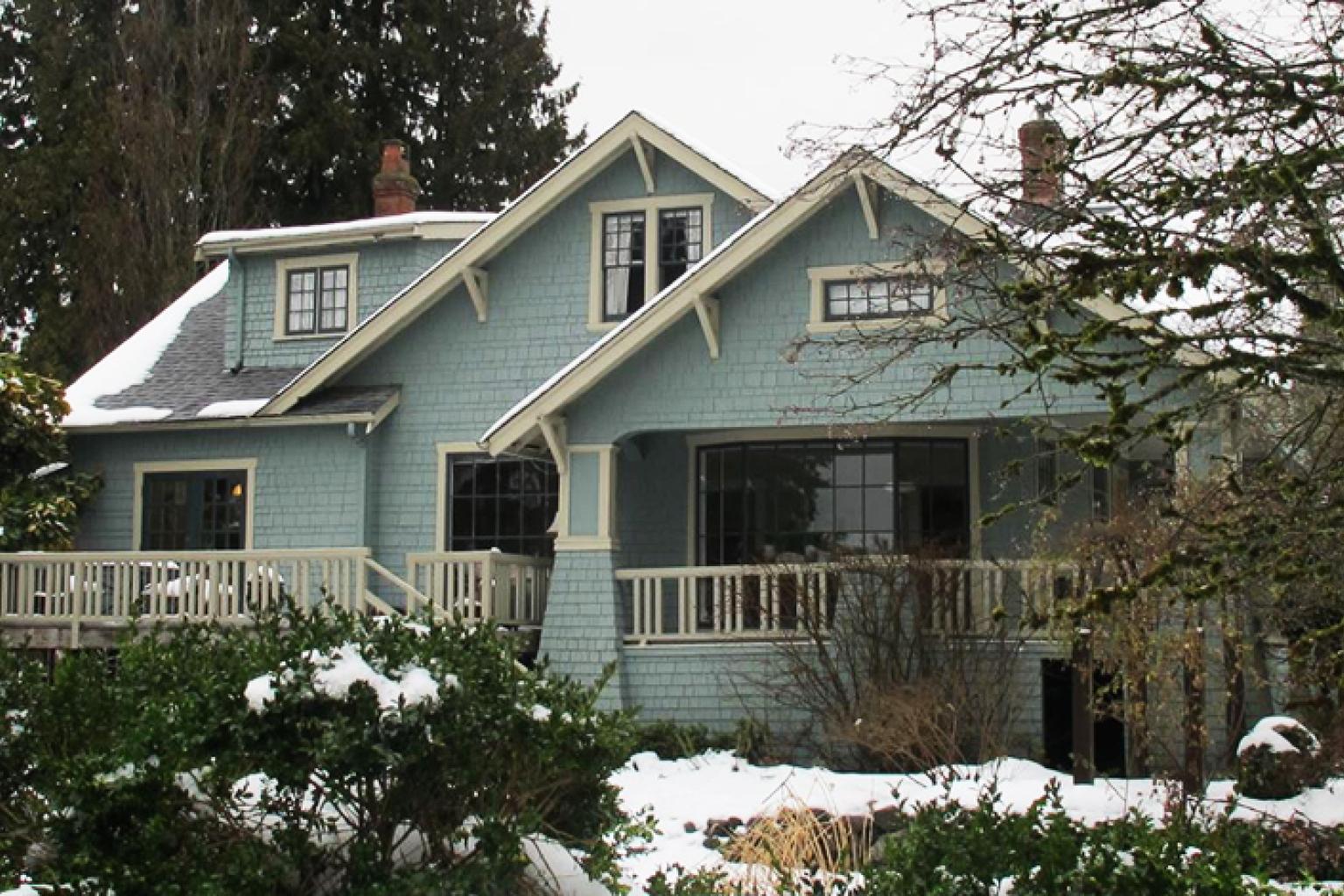
The Rush House is valued for its association with the early development of the historic Ambleside neighbourhood and its Craftsman style architecture.
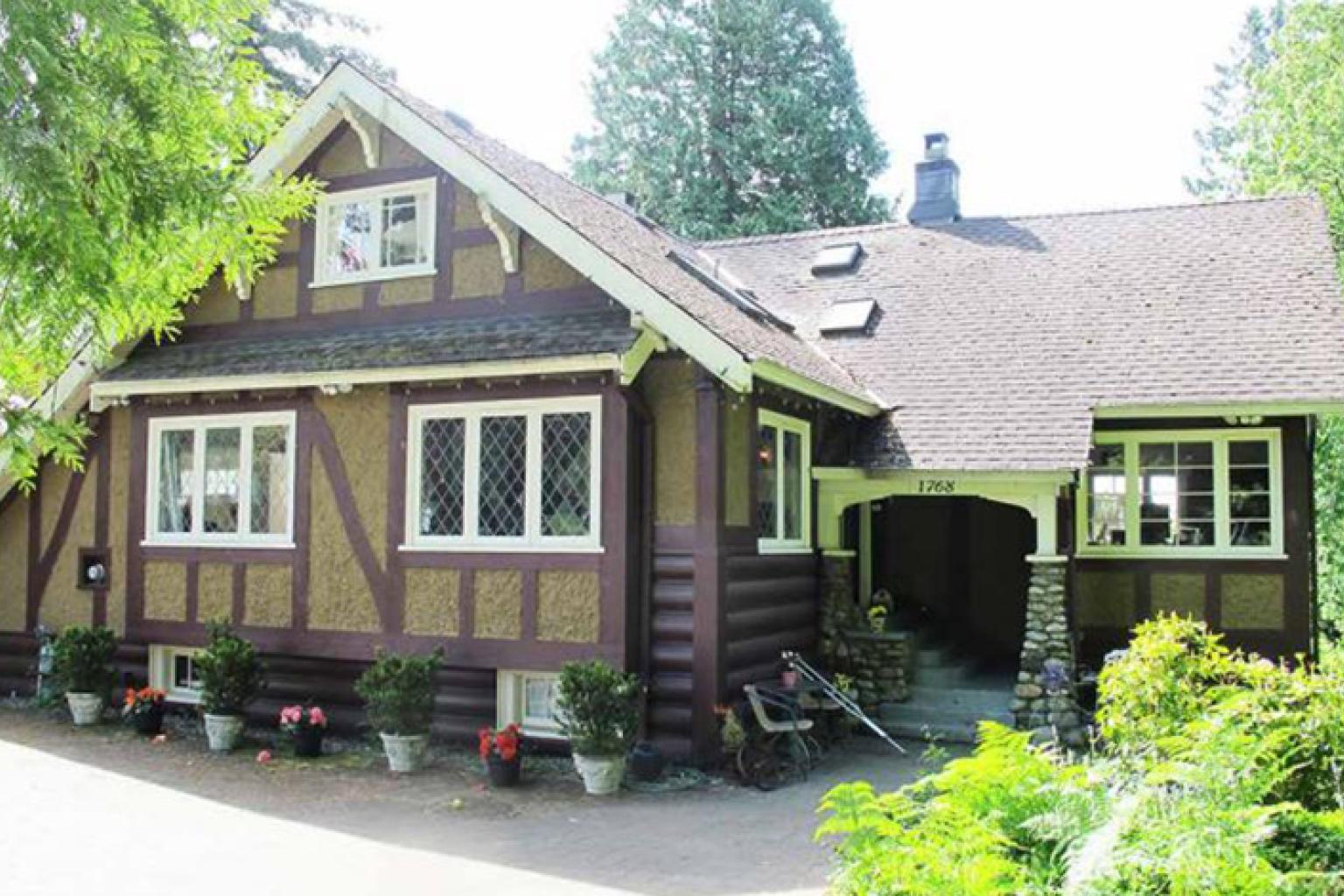
The Sutherland House was constructed in 1927 and was the first house to be constructed on the block. It was first occupied by James and Winifred Sutherland who lived at the property until 1932.
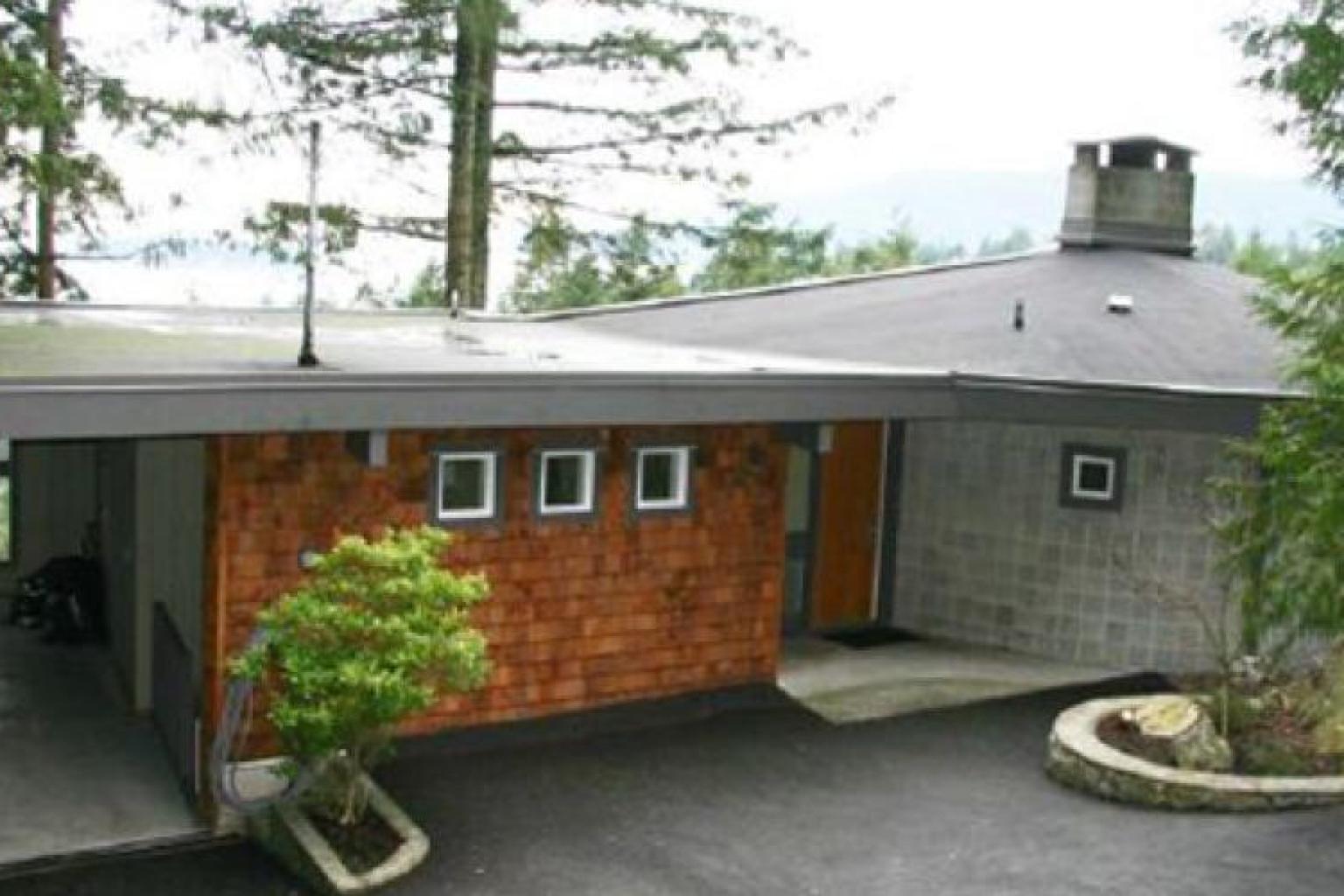
The Sykes House has heritage value for its contribution to the West Coast style of modern architecture with its unique 'spiral helix' roof, wide flaring eaves and exposed beams, and curved walls.
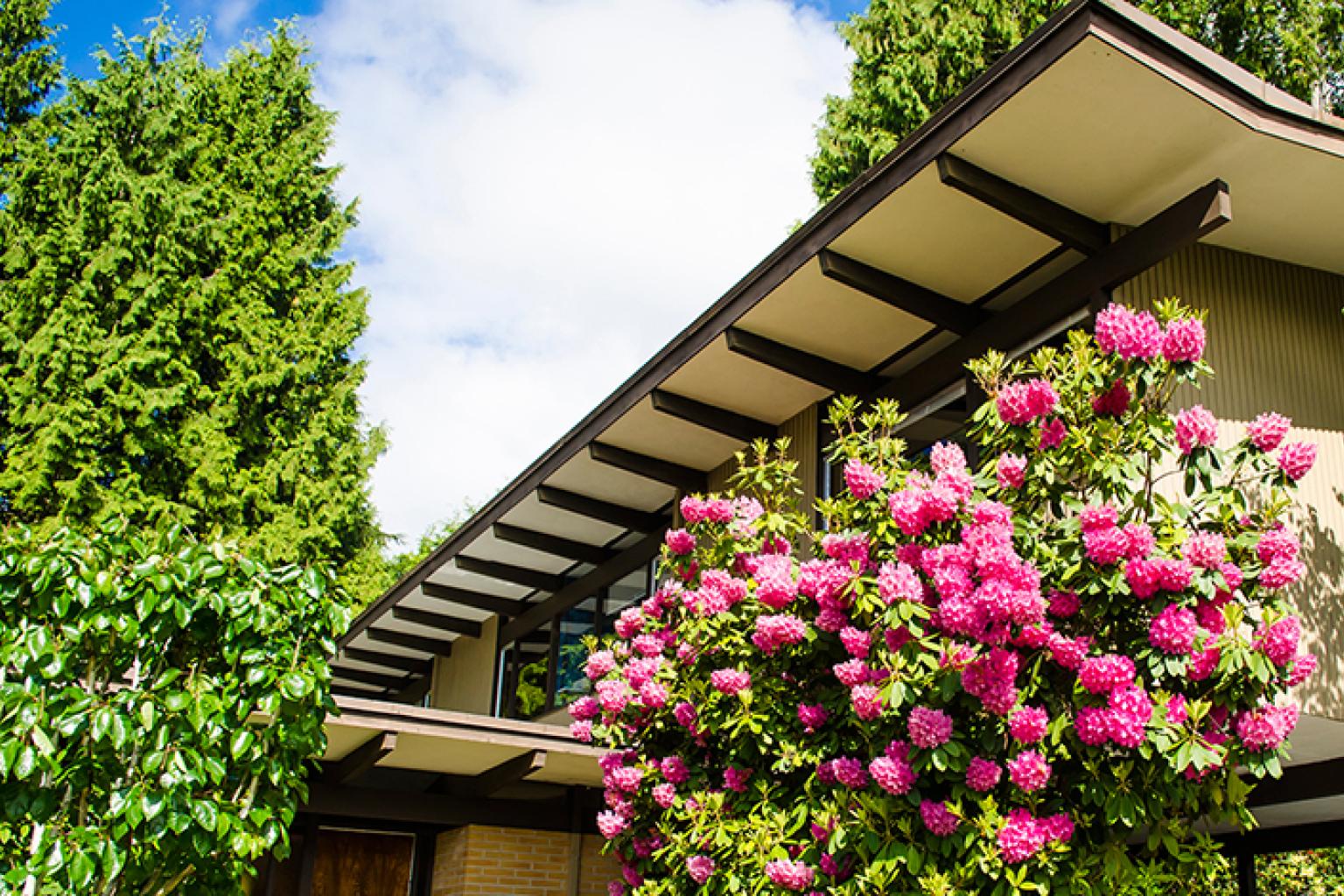
The Toby House was designed by prominent west coast architect, Ray L. Toby for his own family in 1962.
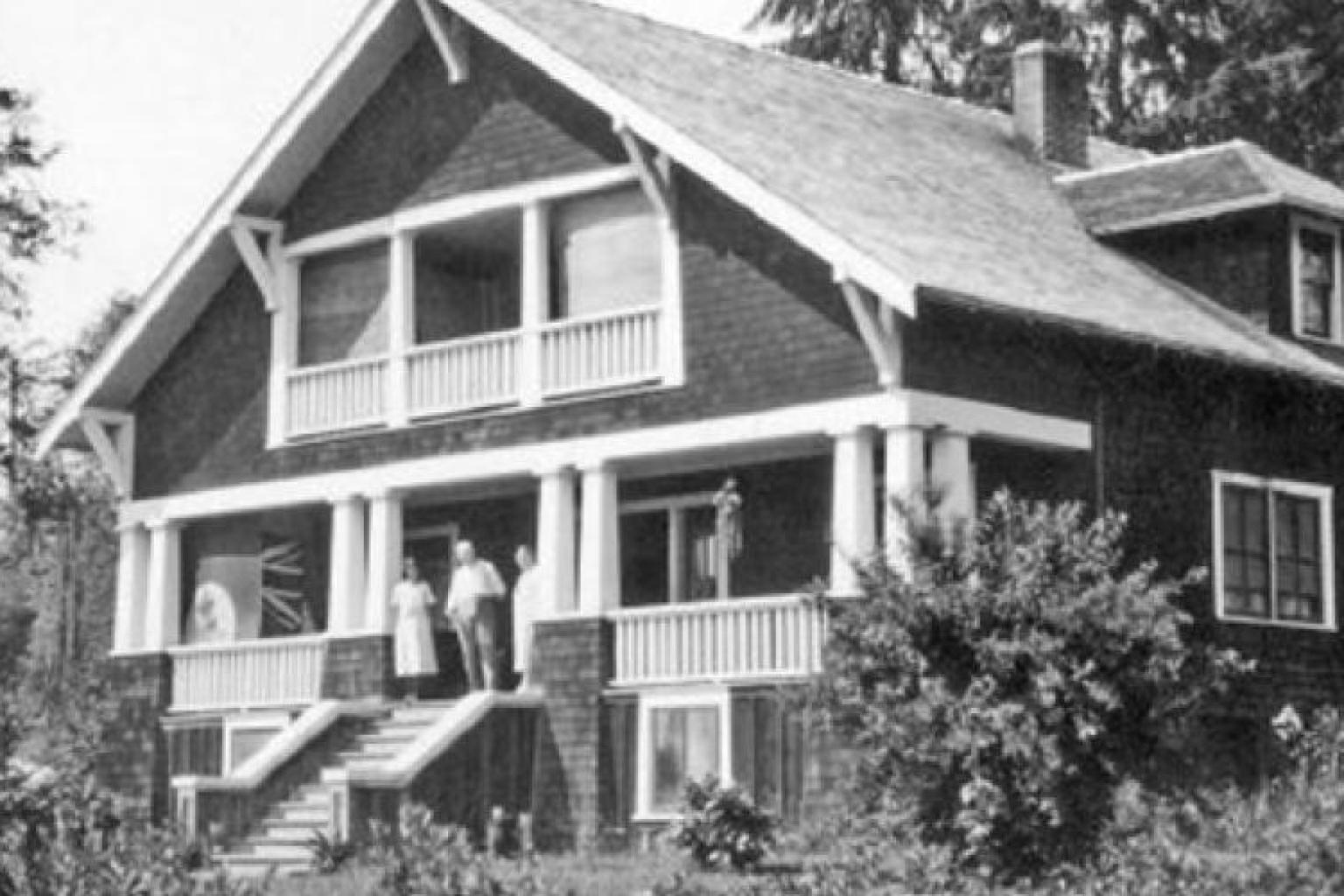
The Vinson House has heritage value for its architecture, its age, the development pattern it illustrates in Ambleside, and the significance of its original owner, Reeve Valient Vincent.
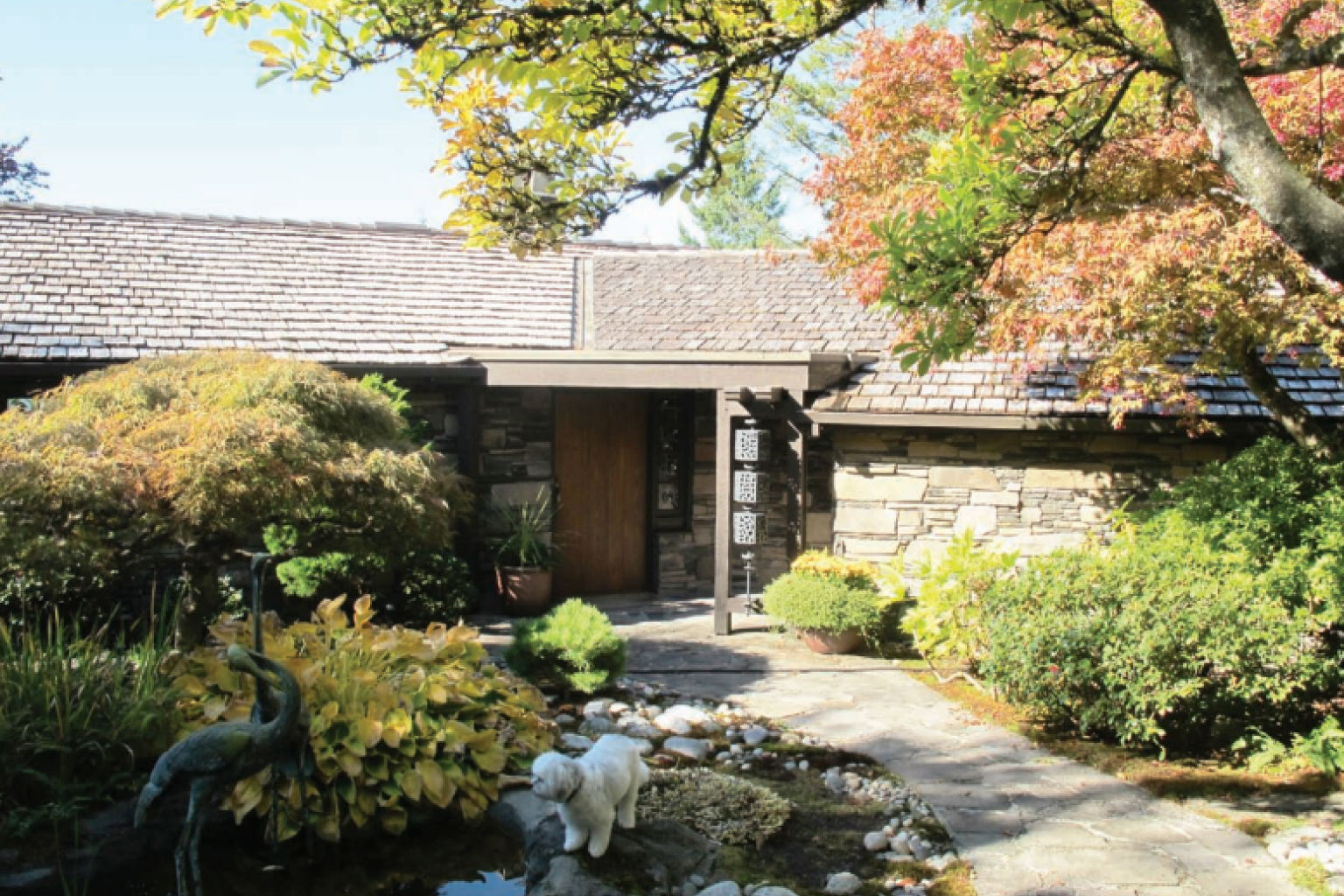
The Wagner Residence was designed in 1963 by one of the Lower Mainland’s most notable architects, Percy Callahan Underwood (1894-1978), as his own home.
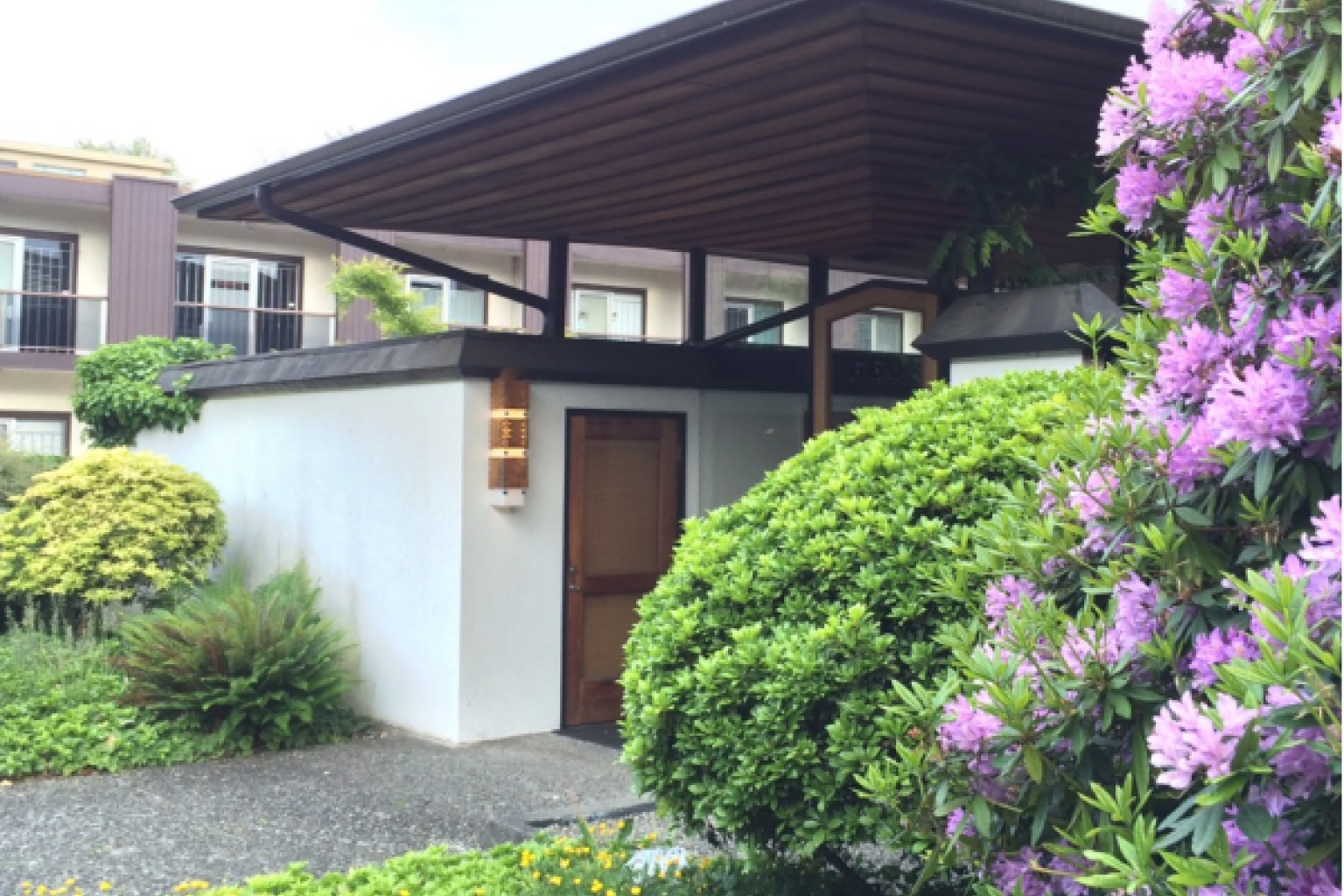
The Woyat-Bowie Building, constructed in 1966, is an early and intact example of a commercial building, and an expression of the West Coast aesthetic in a nonresidential form.